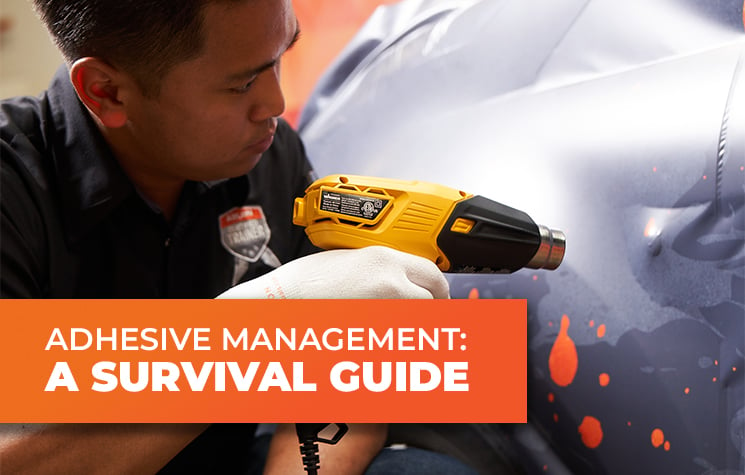
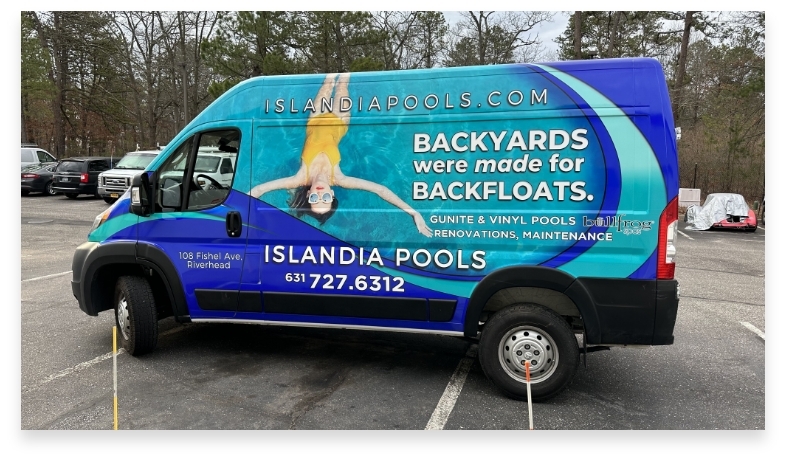
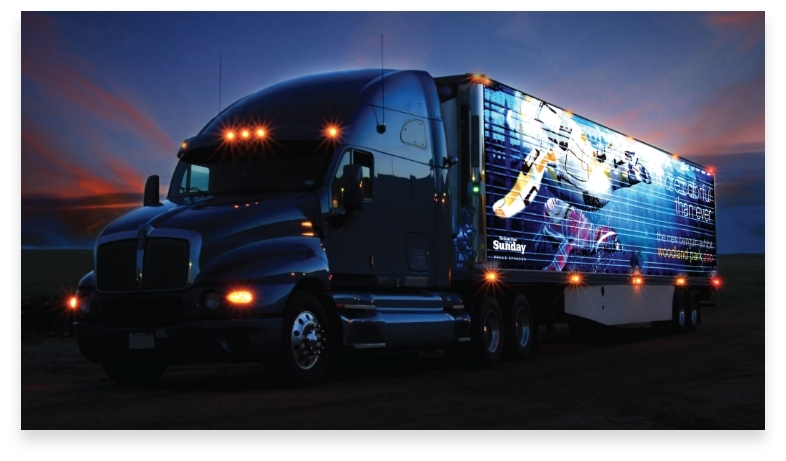
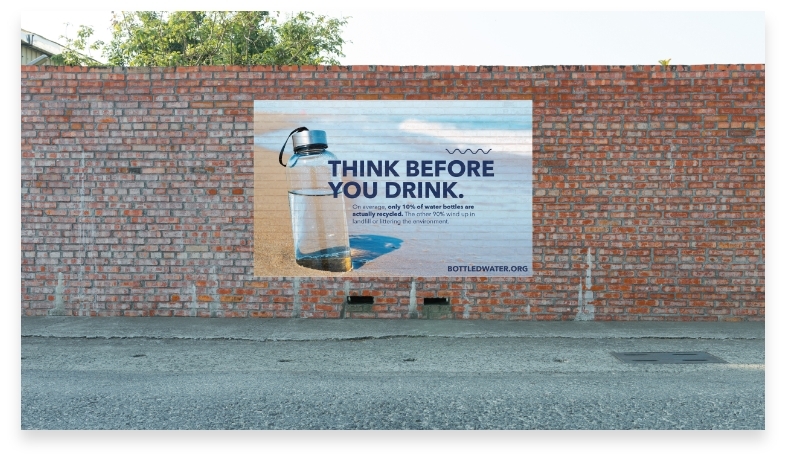
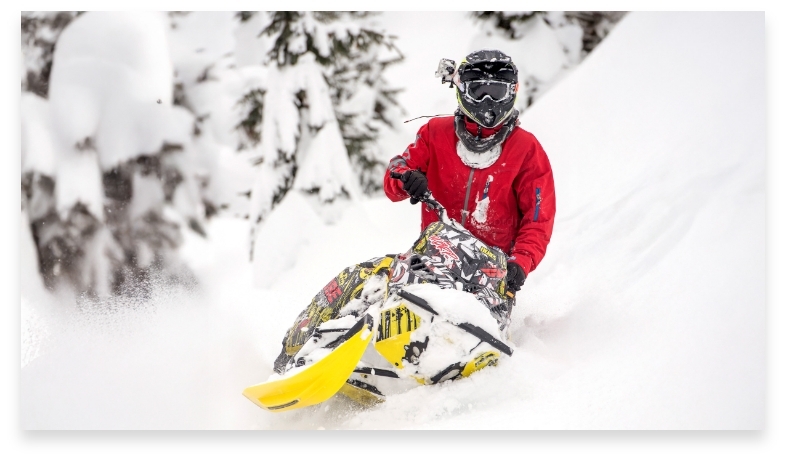
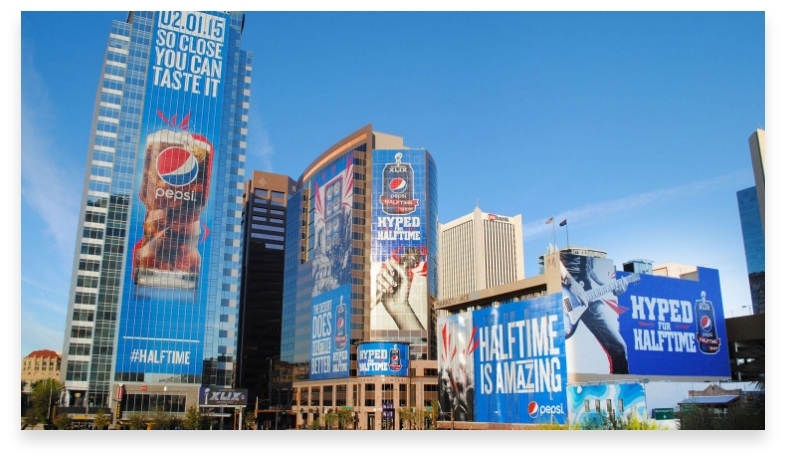
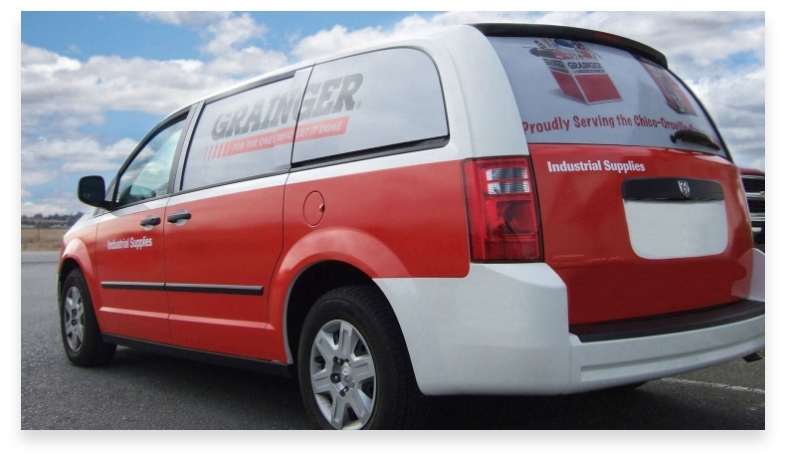
From textured walls to curved surfaces and high-traffic environments, challenging installs call for materials that can keep up. This gallery highlights solutions designed to handle demanding conditions: balancing durability, flexibility, protection, and visual performance across a range of applications. No matter the surface, it’s all about delivering results that hold up under pressure.
MAY 2026
When Surfaces Get Tough, Tough Films Get Going.
There was a time when certain surfaces were almost automatic deal breakers, brick walls, textured concrete, dirt bike plastics, rough-painted interiors, even cold exterior installs in the middle of winter. The answer was usually some version of “Yeah… we don’t really do those.” Not because installers lacked skill, but because reliability wasn’t there. Graphics could look perfect on day one and start failing weeks later. Edges lifted, adhesives struggled, texture won, and shops were often left holding the responsibility for outcomes that were not fully in their control.
So most businesses stayed in safer territory: smooth walls, glass, standard vehicle wraps, clean substrates, predictable installs. But over the last several years, something has shifted. The industry has become more ambitious, and clients have started asking for graphics in places that simply were not part of the conversation before.
The Surface Became the Challenge
Printing quality has never been better, design tools move faster than ever, and production workflows are more efficient than at any point in the industry’s history. Yet despite all of that progress, the real challenge today is often not the graphic itself, it is the surface it is being applied to.
Modern graphics are being installed on stadium corridors, unfinished concrete, textured architectural walls, construction barriers, recreational vehicles, utility boxes, low-energy plastics, and industrial interiors. These are surfaces that were never originally designed with graphics in mind, yet clients still expect the same result they would get on smooth, controlled substrates, clean appearance and long-term durability.
That expectation is where the difficulty begins.
What makes Tough Surfaces, Tough?
Smooth surfaces allow adhesives to make consistent, full contact across the entire graphic, which makes installation and long-term performance relatively straightforward. Textured and difficult substrates change that dynamic completely.
On brick or concrete, the film is no longer sitting on a flat plane. Instead, it is being forced to conform into peaks, valleys, pores, grooves, and irregular texture. Every variation in the surface creates points of stress, and if the material cannot fully conform, small air gaps form underneath the graphic. Those gaps become weak points that eventually lead to lifting edges, bubbling, or premature failure.
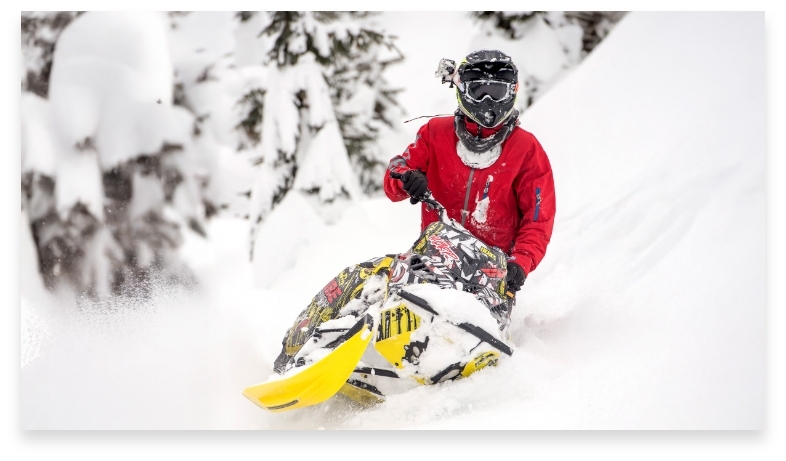
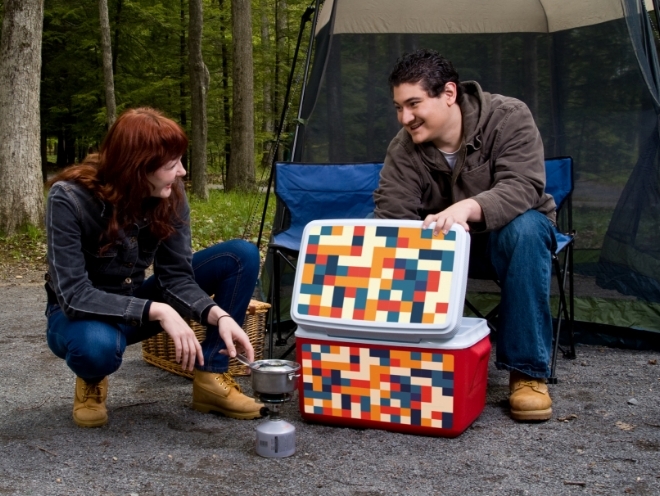
Low surface energy plastics introduce a different challenge altogether. Common in applications like dirt bikes, coolers, and utility equipment, these materials naturally resist adhesion. In simple terms, the surface does not want to bond with the adhesive, which makes initial tack and long-term hold significantly more difficult.
Environmental conditions add another layer of complexity. Exterior walls expand and contract with temperature changes. Rough surfaces collect dirt and contaminants that interfere with bonding. Cold temperatures reduce initial tack, while heat can alter how films relax and conform. Even painted surfaces can vary widely depending on paint type, age, and moisture exposure.
The result is that a graphic can look completely successful immediately after installation, yet begin to fail days or weeks later if the adhesive never achieved proper contact across the full surface. This is why difficult installs require more than aggressive adhesion alone. They demand materials engineered specifically for texture, movement, and long-term stability under stress.
Difficult Installs Have Become a Specialty.
What once felt like niche or “risky” work has become increasingly common across the industry. Architectural graphics, environmental branding, and motorsports applications are pushing graphics into more demanding surfaces and environments than ever before.
These projects often carry higher value, but they also require a different mindset. Not every shop wants to tackle brick installs or aggressive textures, and not every installer is comfortable working on unfamiliar surfaces where preparation and technique matter just as much as the material itself.
That hesitation creates opportunity for the shops willing to take on tougher work. And increasingly, those challenging installs are becoming some of the industry’s most standout projects.
The Materials Had to Evolve Too
This expansion in application would not be possible without major advancements in film technology. Many of today’s textured and difficult installs would have been far less reliable a decade ago.
Improved adhesive systems, better dimensional stability, enhanced conformability, and air egress technologies have all helped make challenging surfaces more achievable for installers.
Films like DPF 8000 Ultra Tack, DPF 8200 High Tack, and DPF 8200X High Tack are designed specifically for demanding applications involving textured surfaces, low-energy plastics, and environments where standard films struggle to maintain long-term performance. From brick and concrete to difficult wall applications, these materials help give installers greater control and confidence on surfaces that once felt unpredictable.

Experience Still Matters Most
Even with better materials, no film eliminates the fundamentals of a difficult install. Surface preparation still matters. Heat still matters. Technique still matters.
Anyone experienced with textured installs knows that small details quickly become critical, pressure consistency, post-heating, surface cleanliness, environmental temperature, and timing all play a role in whether a graphic succeeds or fails long term.
Difficult installs tend to expose shortcuts quickly, but they also accelerate skill development. They force installers to adapt, adjust, and sometimes rethink their approach mid-install. And when those installs succeed, they often become the projects that define a shop’s reputation.
Tough Surfaces Are Becoming Everyday Work
The question is no longer “can graphics go there?” but rather “how do we make them work there?”
That shift has pushed both installers and manufacturers into new territory, and the results are reshaping everything from stadium environments to retail spaces.
Because when surfaces get tough, the industry adapts, and the films have to keep up.
Featured products
From crystal-clear installs to high-impact window graphics, Series 3200 Optically Clear, DPF 45WF, and DPF 47WF are made for the realities of working on glass. Each film brings something different to the table: whether it’s achieving a nearly invisible finish, balancing visibility from both sides, or prioritizing bold, high-quality printed imagery.
No matter the application, these solutions are built to help you execute with precision and confidence while keeping your workflow efficient. Take a closer look at this month’s spotlight products and see how Arlon supports standout results on every install.
Series 3200 Optically Clear
If clarity is what sets the standard, Series 3200 Optically Clear Overlaminate rises to meet it. It's built to protect your graphics while keeping every detail sharp, clean, and true. You can extend the life of your prints without sacrificing visibility, making it a strong choice for window applications and any install where clarity matters most.
Heading 1
with a request body that specifies how to map the columns of your import file to the associated CRM properties in HubSpot.... In the request JSON, define the import file details, including mapping the spreadsheet's columns to HubSpot data. Your request JSON should include the following fields:... entry for each column.
DPF 45WF
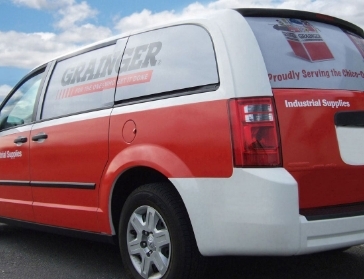
Meet DPF 45WF: the film that brings performance to both sides of the glass, with a design that enhances outward visibility, making it especially effective for vehicle windows and applications where sightlines matter. Now you can take on real-world conditions with confidence and graphics that perform on the move.
Heading 1
with a request body that specifies how to map the columns of your import file to the associated CRM properties in HubSpot.... In the request JSON, define the import file details, including mapping the spreadsheet's columns to HubSpot data. Your request JSON should include the following fields:... entry for each column.
DPF 47WF
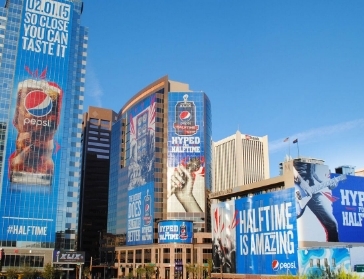
When your graphic needs to do the talking, DPF 47WF gives you the surface to make it happen. This one is made for graphics where image quality can’t take a back seat, it gives you more printable surface to provide sharper, more vibrant results. Delivering you reliable one-way visibility, without compromising graphic clarity.
Heading 1
with a request body that specifies how to map the columns of your import file to the associated CRM properties in HubSpot.... In the request JSON, define the import file details, including mapping the spreadsheet's columns to HubSpot data. Your request JSON should include the following fields:... entry for each column.
Image gallery
x
x
x
x
x
x
Guide to Adhesive Management
MASTERING ADHESIVE MANAGEMENT:
THE KEY TO FASTER, CLEANER INSTALLS
Successful installations start long before the squeegee touches the film. From print outgassing and laminate selection to bubble prevention and post-heating, every step influences adhesive performance.
This technical guide breaks down the principles of adhesive management and provides practical recommendations to improve repositionability, reduce installation defects, and achieve long-term adhesion.
Download the guide to learn how to work with your adhesive, not against it.