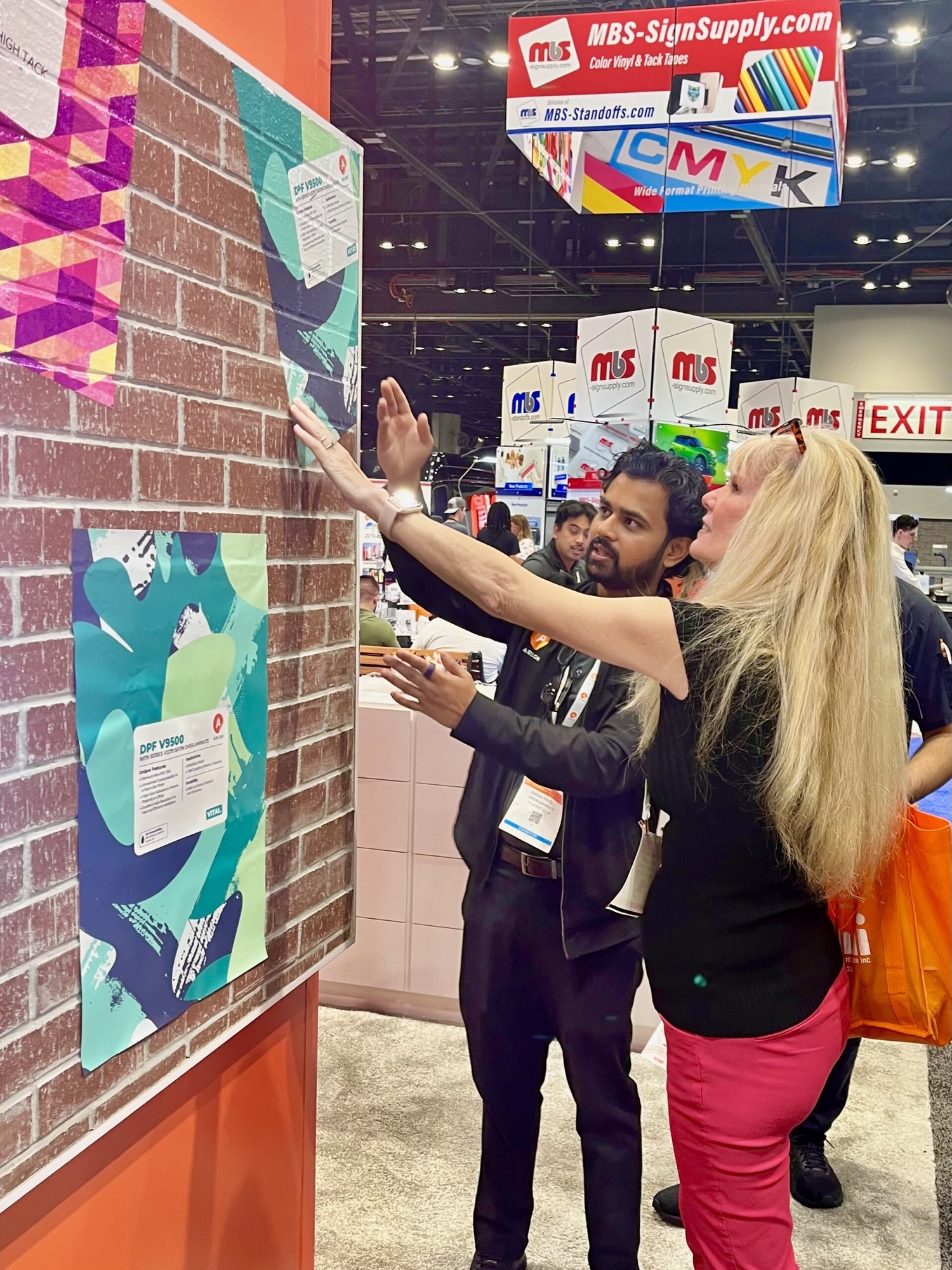
Built for Real Jobs, Not Perfect Scenarios.
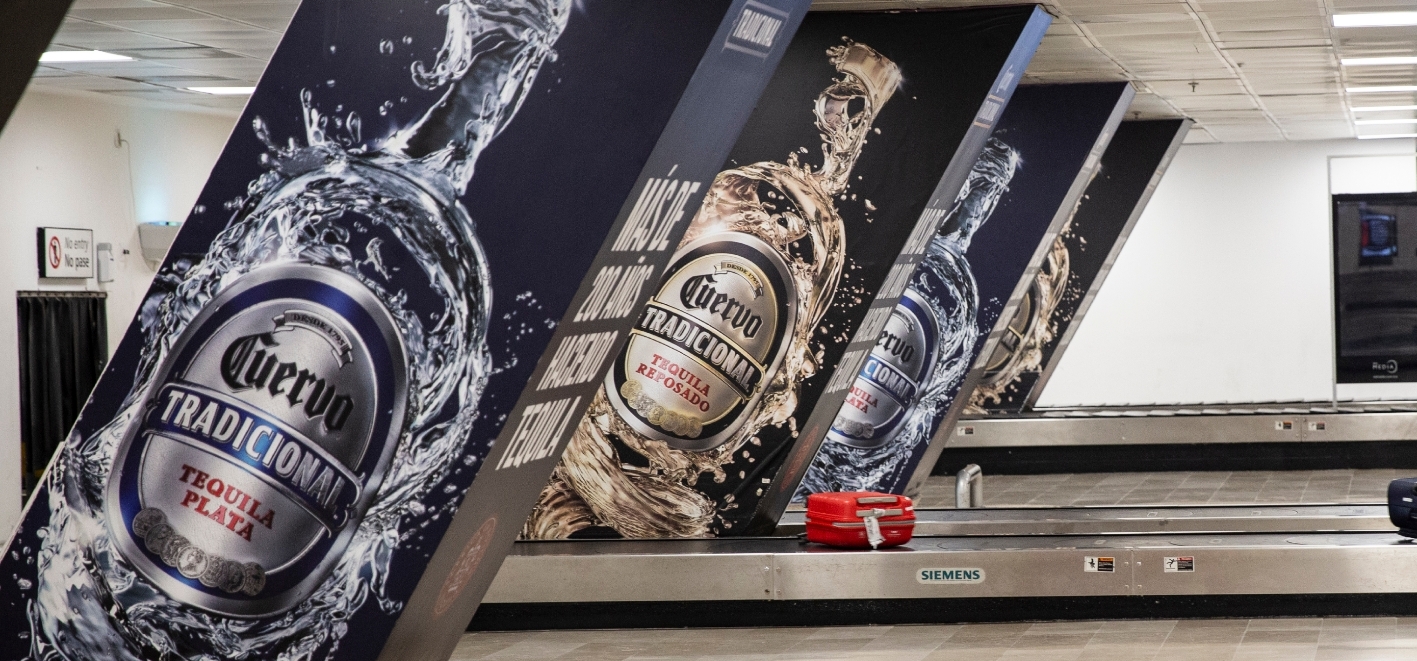
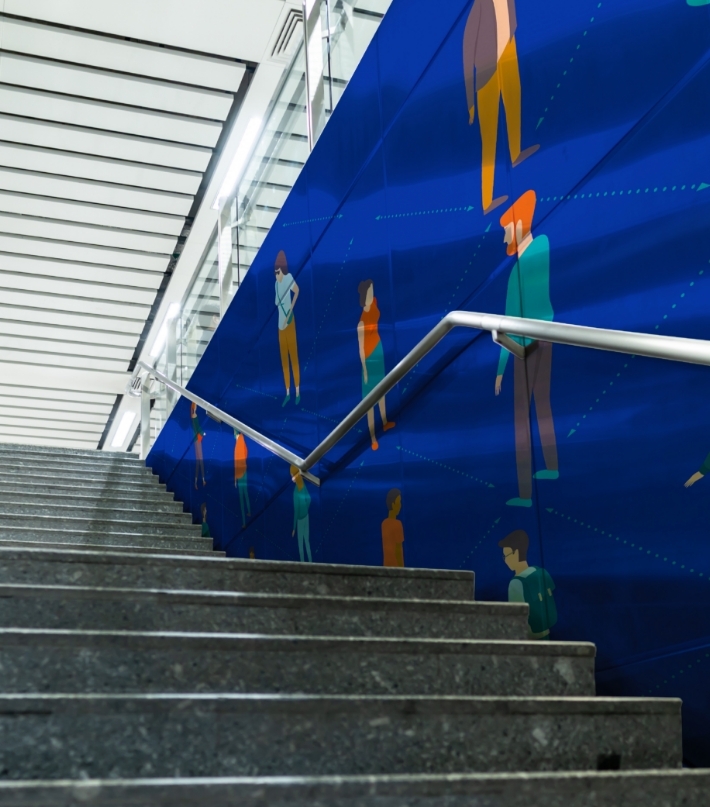
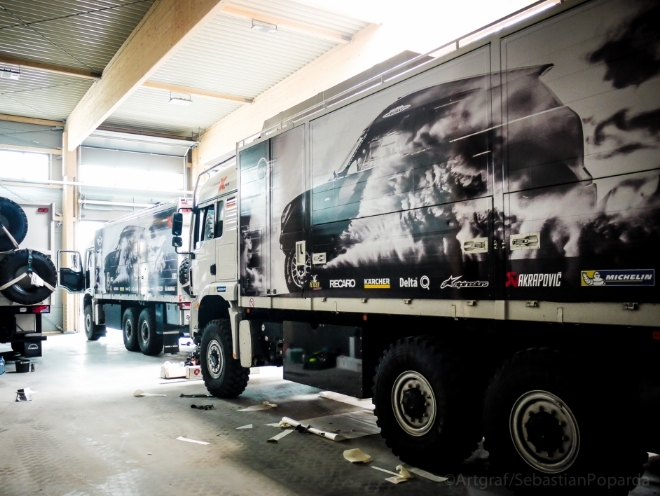
Most projects are not clean, single-surface installs. A typical job might include vehicle graphics, wall applications, signage, and branded panels all in one scope. Traditionally, that means multiple materials, multiple prep requirements, and more chances for something to go wrong.
That complexity affects the entire workflow. Quoting takes longer. Production has more variables. Install day has less margin for error. Multi-purpose films simplify that chain. Instead of treating each surface as a separate problem, you approach the job as one system. One material. One install approach. Fewer variables from start to finish.
The Real Impact of Simplicity
The impact of material complexity usually does not show up all at once. It builds in small moments. A few extra minutes during quoting. A wrong roll pulled from inventory. A hesitation during install. A reprint caused by using the wrong film.
Individually, those moments are manageable. Collectively, they add up.
For shops, more SKUs mean more inventory to track, more training across the team, and more opportunities for inconsistency. Multi-purpose films reduce that burden. Fewer materials to manage, fewer decisions to make, and fewer mistakes to correct. The result is more capacity and a smoother overall workflow.
For installers, the benefit is consistency. When the film behaves the same across applications, you move faster and with more confidence. There is less second guessing, fewer adjustments, and a more predictable install experience from job to job.
New installers ramp up quicker. Experienced installers spend less time troubleshooting. And across the board, installs become more consistent in timing, quality, and outcome.
In short, simplifying materials at the shop level creates efficiency, and that efficiency carries directly into more confident installs in the field.