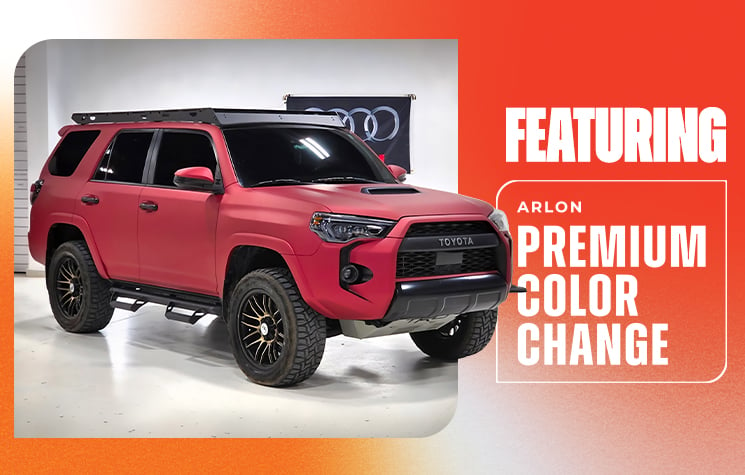
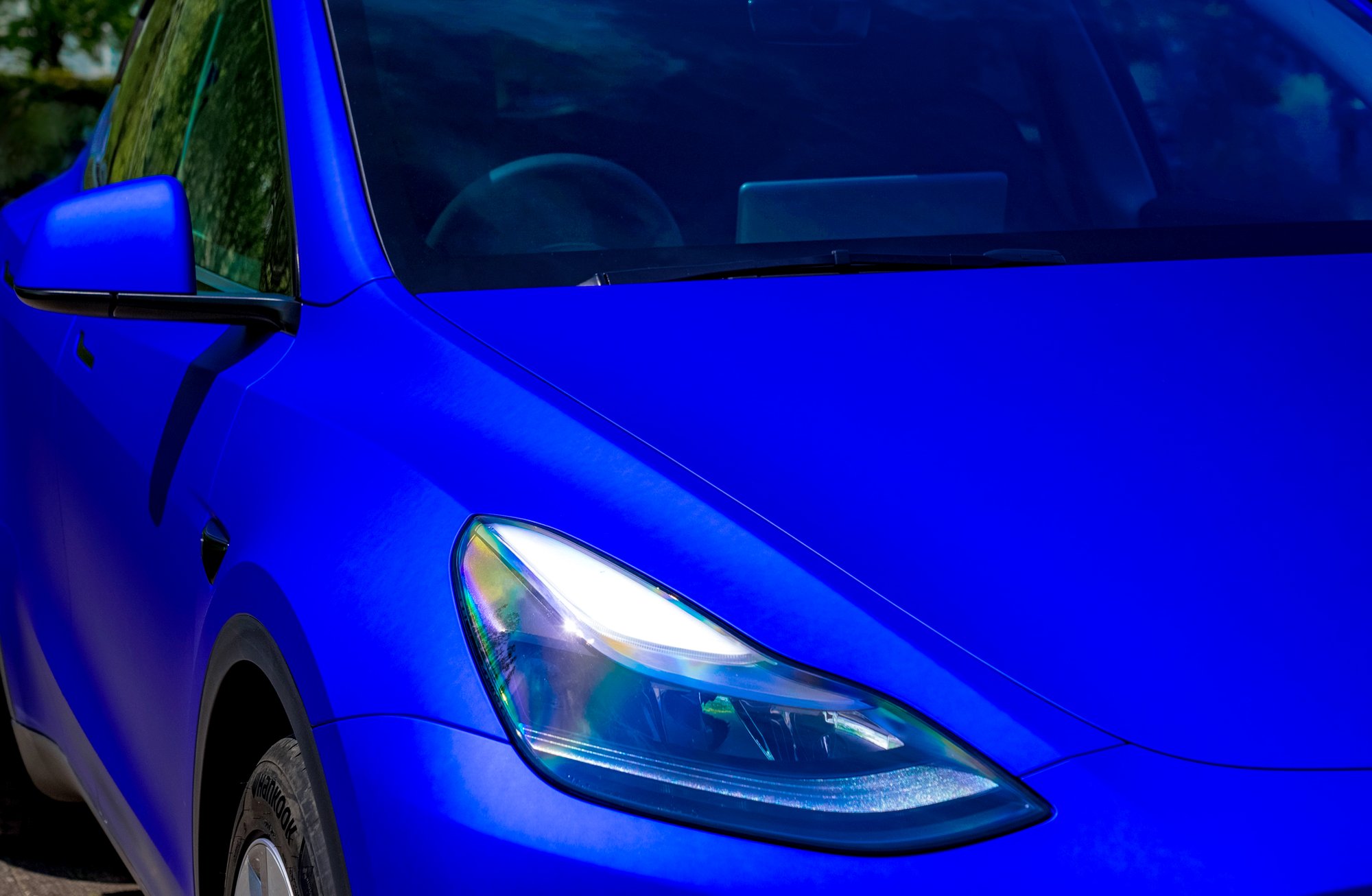
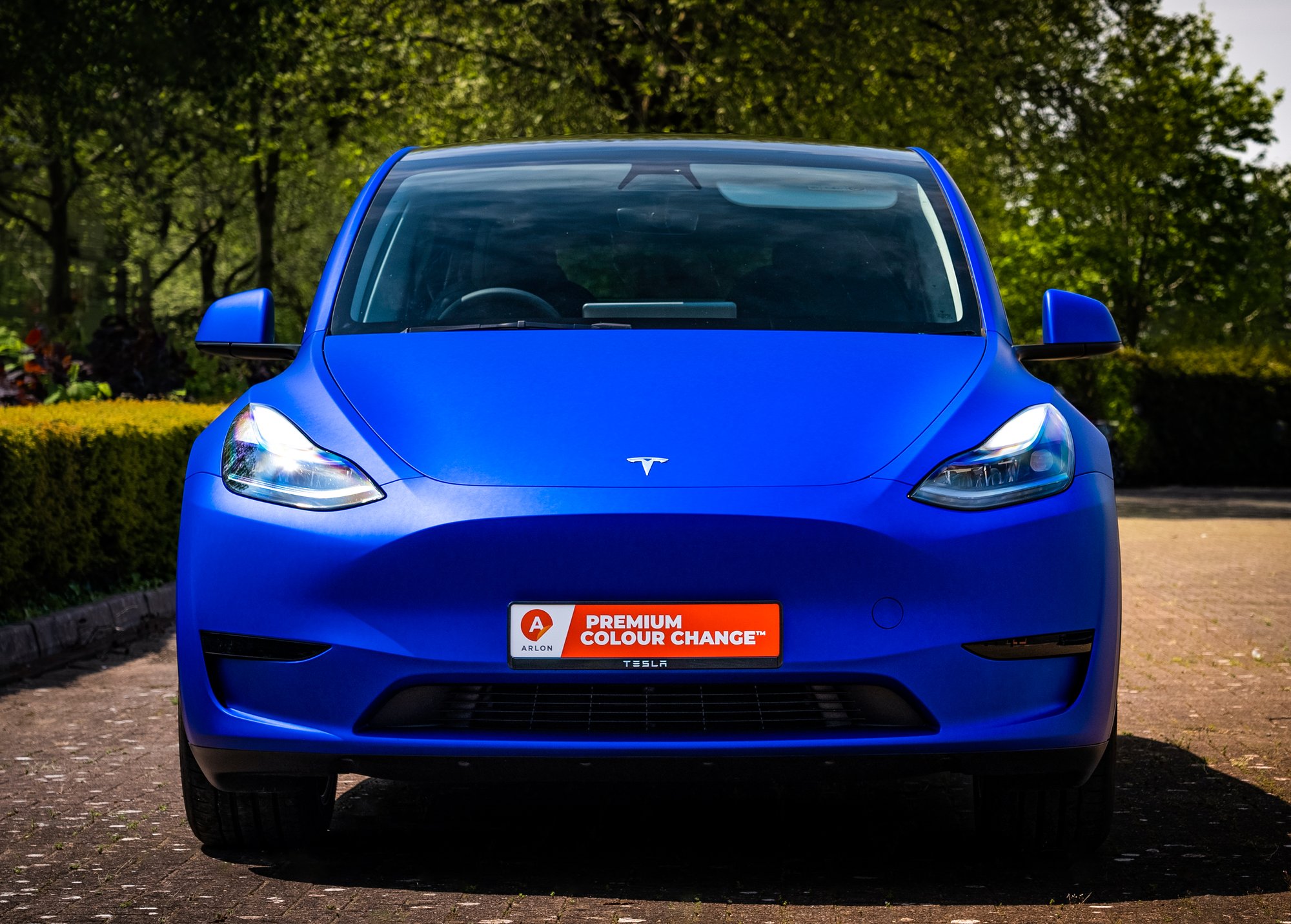
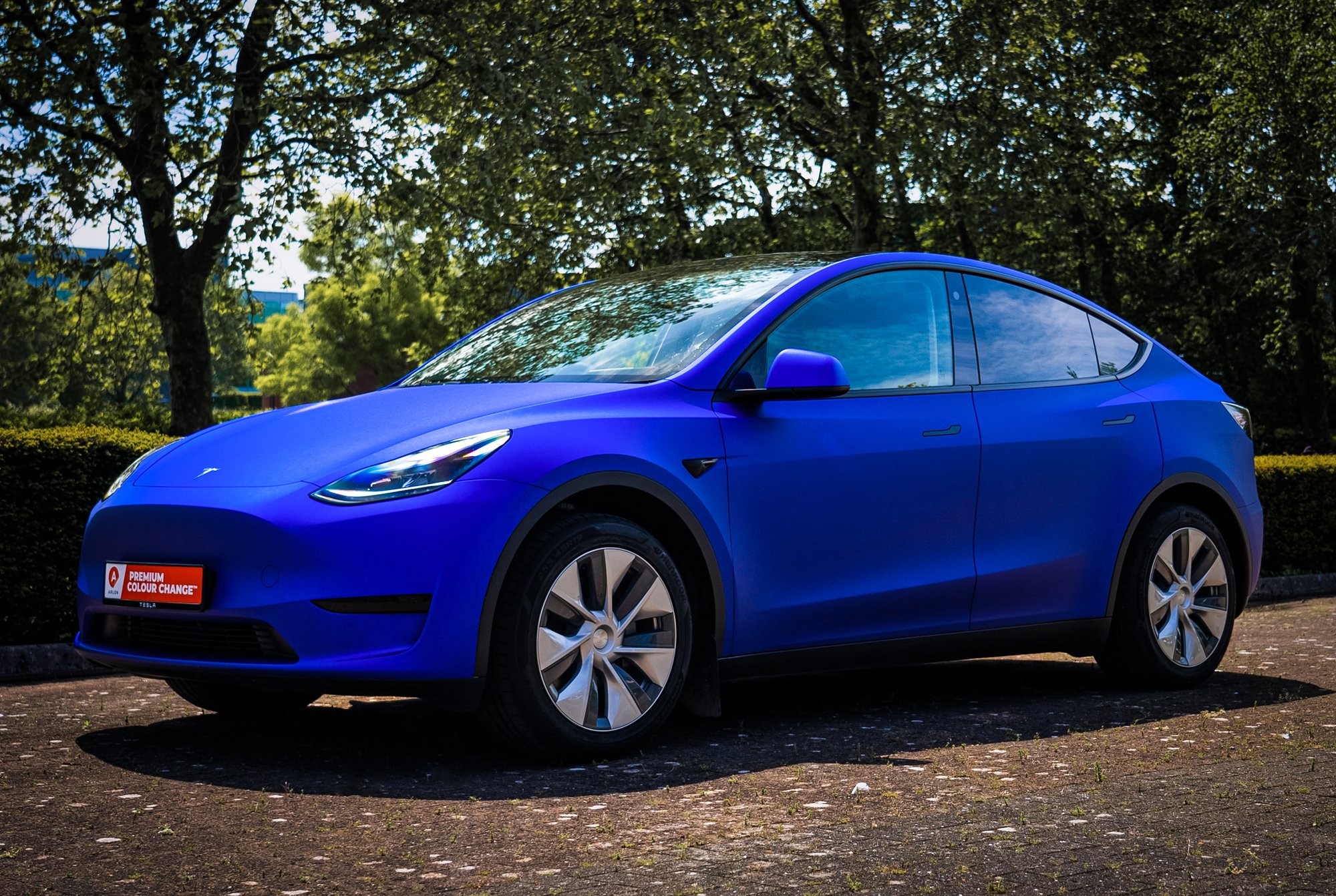
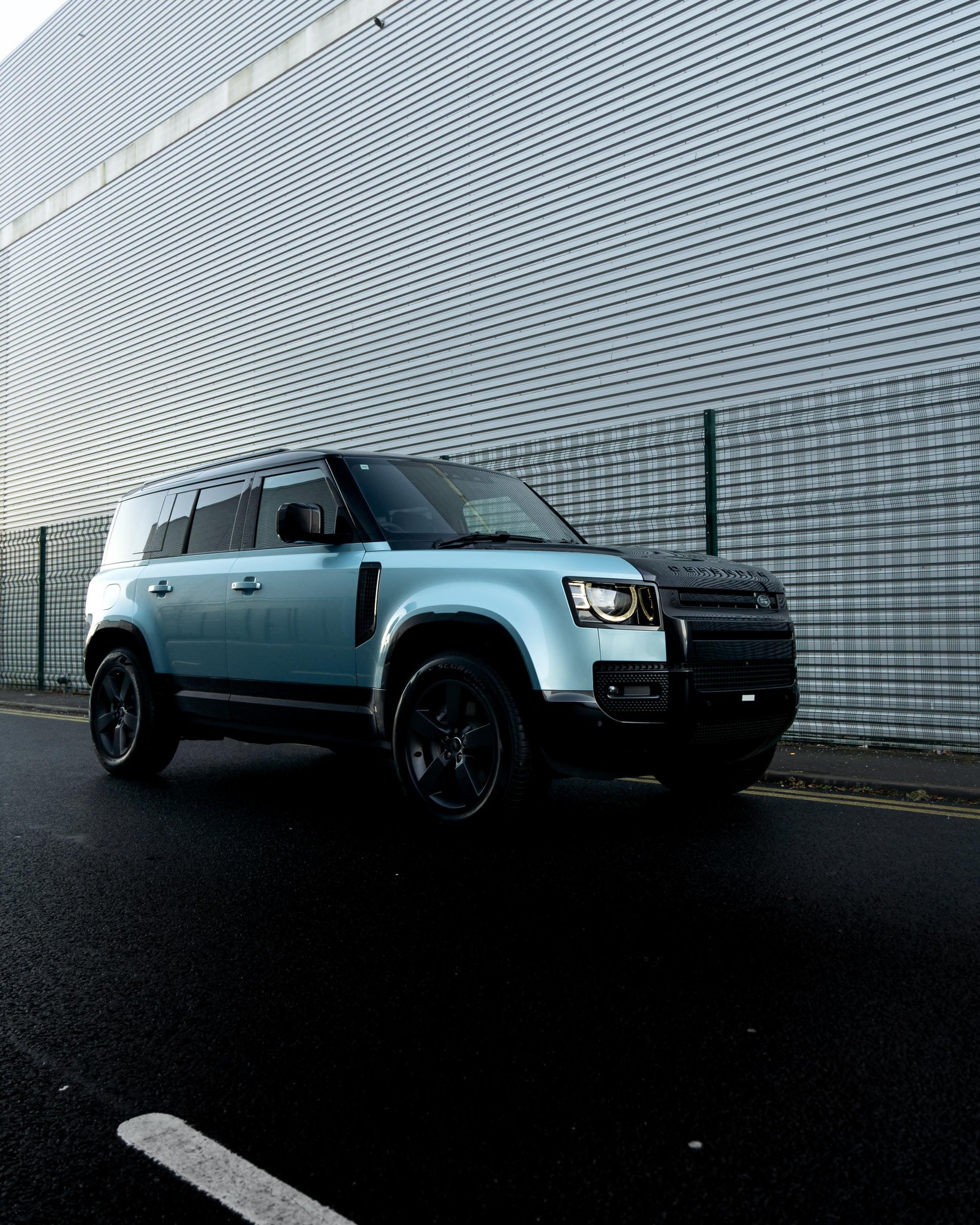
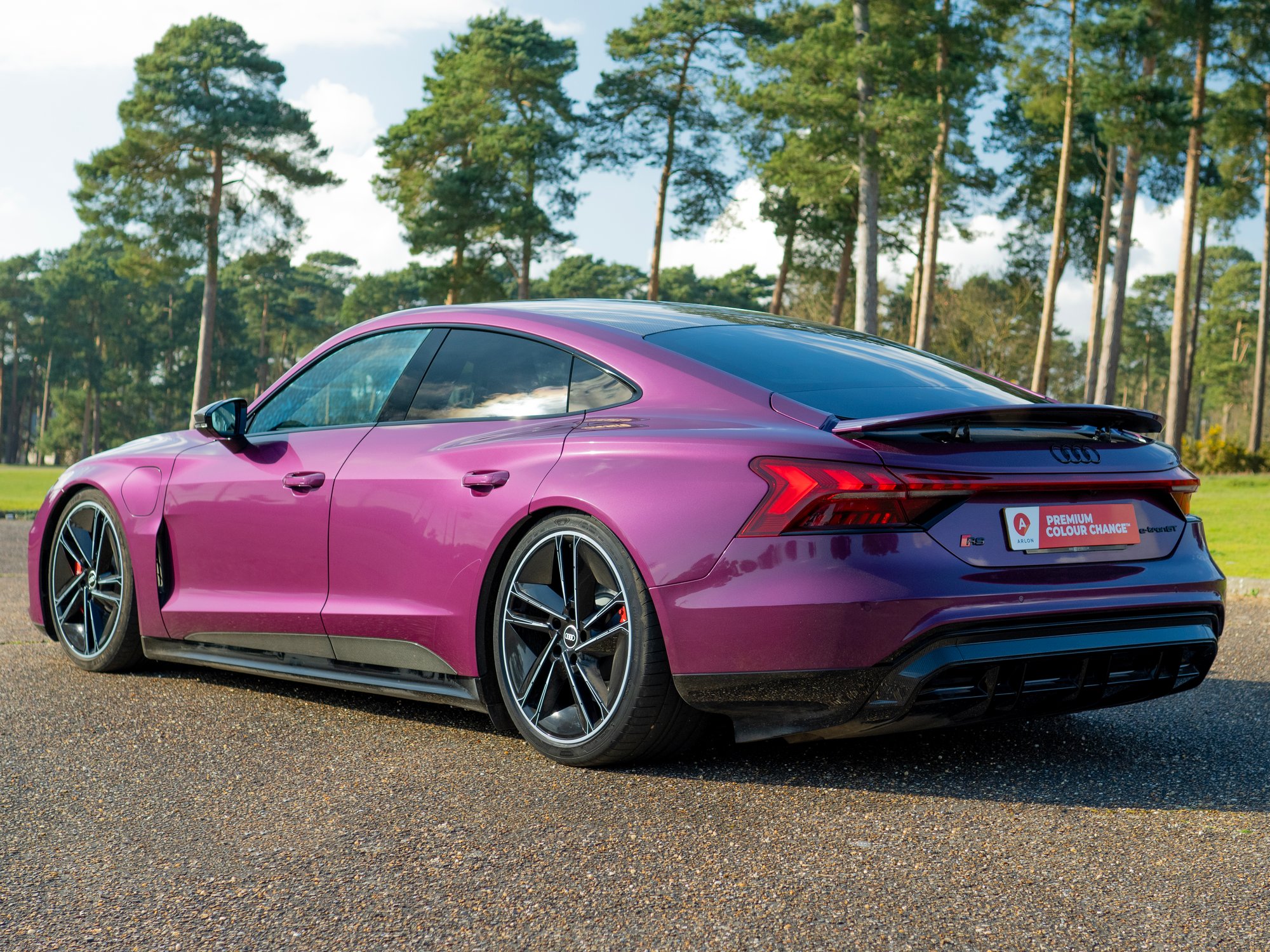
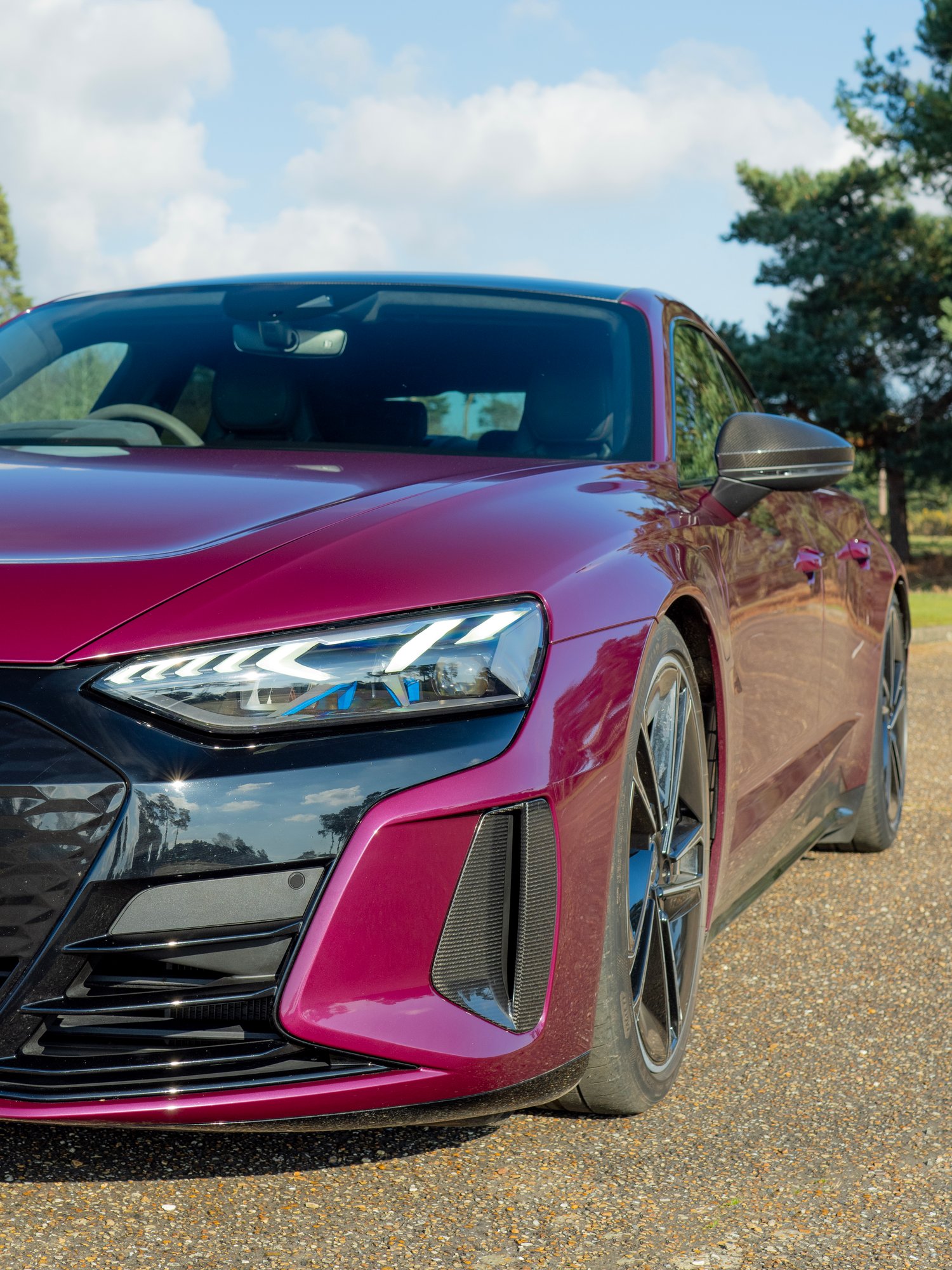
From bold color transformations to flawless installations, Arlon Premium Color Change films are designed to make a lasting impression. This gallery showcases a range of eye-catching colors and finishes, highlighting the depth, dimension, and premium appearance that PCC brings to every vehicle. Explore real-world applications and see how installers use Arlon PCC to create head-turning wraps with stunning visual impact and a professional finish.
JULY 2026
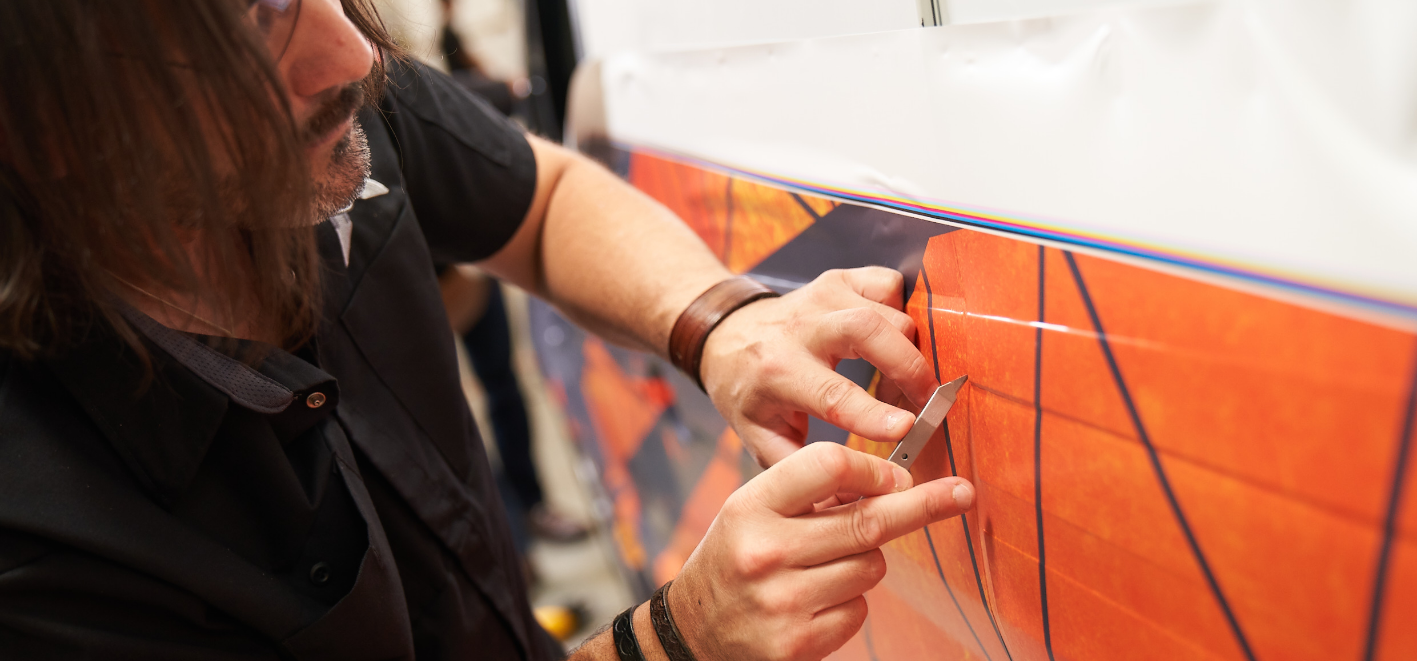
The Real Test of a Vehicle Wrap: Why some wraps look just as impressive years later, and why others don't.
Walk through any parking lot and you'll see vehicles wrapped in every color, finish, and design imaginable. Some showcase bold commercial graphics. Others look like they rolled straight off the factory floor in a stunning custom color.
On the day they're installed, they all have one thing in common. They look great. That's what makes choosing the right wrap material so deceptive. The real test of a vehicle wrap doesn't happen when the installer puts down the squeegee or when the customer picks up the keys. It begins the moment that vehicle leaves the shop.
From that point forward, every mile becomes part of an ongoing test. Summer heat bakes the hood. Winter cold contracts the panels. UV rays beat down for hours at a time. Rain, road debris, automatic car washes, and thousands of miles of vibration challenge the wrap every single day.
Eventually, time begins to tell the story.
Some wraps continue looking smooth, vibrant, and professionally installed for years. Others begin to reveal subtle warning signs. Edges start lifting. Film shrinks around trim. Colors fade. Deep recesses begin showing tension.
So what separates the two? Surprisingly, much of the answer lies in something most people never think about: the film itself.
Modern Vehicle Demand More Than Ever
Today's vehicles are more complex than ever before. Aggressive body lines, sculpted bumpers, oversized fenders, deep channels, mirrors, sensors, and intricate contours have transformed modern automotive design. While those features create beautiful vehicles, they also create enormous challenges for installers.
Wrapping a modern vehicle isn't simply about covering a surface. It's about persuading a film to conform to complex shapes while maintaining its appearance for years to come. That requires more than installation skill. It requires a material engineered specifically for the job.
Why Cast Films Became the Industry Standard
Professional installers overwhelmingly choose cast vehicle films for full wraps, and there's a good reason why. Unlike films designed primarily for flatter applications, cast films are manufactured with minimal internal stress. That allows them to conform naturally around curves, recesses, and body lines without constantly trying to pull themselves back into their original shape.
The result is a film that offers:
- Excellent conformability around complex surfaces
- Greater dimensional stability over time
- Long-term durability in changing climates
- Predictable handling during installation
- A cleaner, more consistent finish
Simply put, premium cast films are built for the realities of vehicle wrapping.
Designed to Work with Installers
Every installer knows the feeling. You're working through a difficult bumper or navigating a deep channel, and within seconds you can tell whether the material is helping you or fighting you.
The best cast vehicle films don't just produce beautiful finished wraps. They make the installation process more controlled, more predictable, and more enjoyable. That's the philosophy behind Arlon's cast vehicle films.
From exceptional conformability to technologies like FLITE Technology®, Arlon engineers its cast films to move naturally with the installer, not against them. The goal isn't simply to create a premium product. It's to give installers the confidence to tackle challenging surfaces while achieving clean, professional results.
Because when the material performs the way it's supposed to, installers can focus on craftsmanship instead of fighting the film.
Time Reveals Everything
One of the biggest misconceptions about vehicle wraps is that you can judge quality on installation day. You can't. Many wraps leave the shop looking nearly identical. The real differences often appear months or even years later.
A lower-grade film may begin shrinking around edges, exposing paint where coverage was once seamless. Areas that experienced heavy stretching, such as bumpers or deep channels, may begin lifting. Prolonged UV exposure can dull colors and reduce gloss, while the constant expansion and contraction of everyday driving slowly puts the material to the test.
A premium cast film is designed for those moments. It's engineered to maintain its shape, appearance, and performance long after the excitement of installation day has passed.
That's why experienced installers often say the quality of a wrap isn't measured on Day One. It's measured every day after.
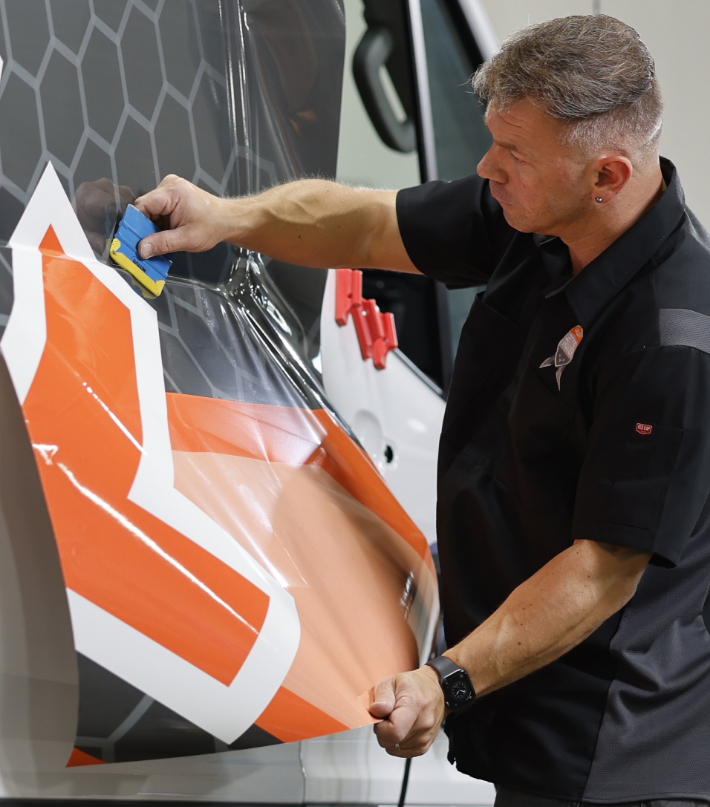
Great Wraps Begin with Great Installers
No material, regardless of how advanced it is, can replace experience.
Professional installation requires skill, patience, and attention to detail. Surface preparation, panel planning, proper tension, post-heating, and finishing techniques all play an essential role in creating a wrap that lasts. But here's the reality. Even the most talented installer can't overcome the limitations of an inferior material.
A premium cast film gives skilled installers the foundation they need to do their best work. A lower-quality film may still look impressive on installation day, but if it wasn't engineered for the demands of vehicle wrapping, time will eventually expose its limitations.
The best wraps don't happen because of great installers alone. They don't happen because of great materials alone. They happen when exceptional installers are backed by exceptional materials.
More Than a First Impression
Vehicle wraps are designed to make an impact, whether they're transforming a personal vehicle into a one-of-a-kind build or turning a commercial fleet into a moving advertisement.
But the very best wraps deliver more than a memorable first impression. They continue looking exceptional after another summer. Another winter. Another year on the road.
Featured products
The right film can make all the difference on installation day. That’s why this month’s featured products are engineered to simplify application without sacrificing performance. From fast, repositionable installs with SLX+® to the versatile printability of Omni Cast Wrap and the premium durability of DPF V9700, these solutions are built to support installers at every stage of the job. Explore the featured products below to see how each one is designed to help you work smarter, install faster, and achieve exceptional results.

SLX+®
SLX+® is built to simplify fleet and vehicle graphic installations with ultra-repositionable performance, FLITE Technology®, and exceptional multi-surface adhesion. Engineered for year-round application, this all-season cast film delivers fast installs, reliable performance, and clean, professional results across a wide range of conditions.
Heading 1
with a request body that specifies how to map the columns of your import file to the associated CRM properties in HubSpot.... In the request JSON, define the import file details, including mapping the spreadsheet's columns to HubSpot data. Your request JSON should include the following fields:... entry for each column.
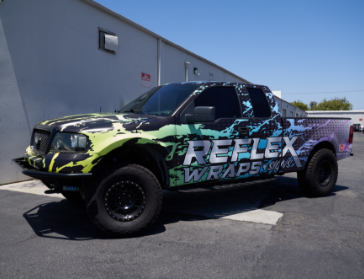
Omni Cast Wrap
Designed for versatility and installation ease, Omni Cast Wrap features an air-egress liner for fast application, strong adhesion, and exceptional conformability over curves, rivets, and textured surfaces. Combined with vibrant print quality across multiple print platforms, it delivers dependable, professional results for a wide range of graphics applications.
Heading 1
with a request body that specifies how to map the columns of your import file to the associated CRM properties in HubSpot.... In the request JSON, define the import file details, including mapping the spreadsheet's columns to HubSpot data. Your request JSON should include the following fields:... entry for each column.
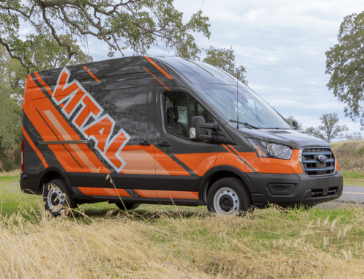
DPF V9700
Engineered for professional-grade wraps, DPF V9700 brings together premium durability, installation efficiency, and a more sustainable non-PVC construction. With FLITE Technology® and excellent conformability, it helps installers achieve clean, high-quality finishes on even the most demanding applications.
Heading 1
with a request body that specifies how to map the columns of your import file to the associated CRM properties in HubSpot.... In the request JSON, define the import file details, including mapping the spreadsheet's columns to HubSpot data. Your request JSON should include the following fields:... entry for each column.
Image gallery
%20-%20Defender%20-%20PCC.jpg?width=1600&height=2000&name=JPG-006%20-%20Adam%20Ashley_Autowrap%20Manchester%20(EMEAI)%20-%20Defender%20-%20PCC.jpg)



%20-%20Cupra%20-%20PCC.jpg?width=1600&height=2000&name=JPG-004%20-%20Adam%20Ashley_Autowrap%20Manchester%20(EMEAI)%20-%20Cupra%20-%20PCC.jpg)
%20-%20Cupra%20-%20PCC.jpg?width=1600&height=2000&name=JPG-006%20-%20Adam%20Ashley_Autowrap%20Manchester%20(EMEAI)%20-%20Cupra%20-%20PCC.jpg)
%20-%20Cupra%20-%20PCC.jpg?width=1600&height=2000&name=JPG-010%20-%20Adam%20Ashley_Autowrap%20Manchester%20(EMEAI)%20-%20Cupra%20-%20PCC.jpg)
x
x
x
x
x
x
x
x
x
x
x
x
x
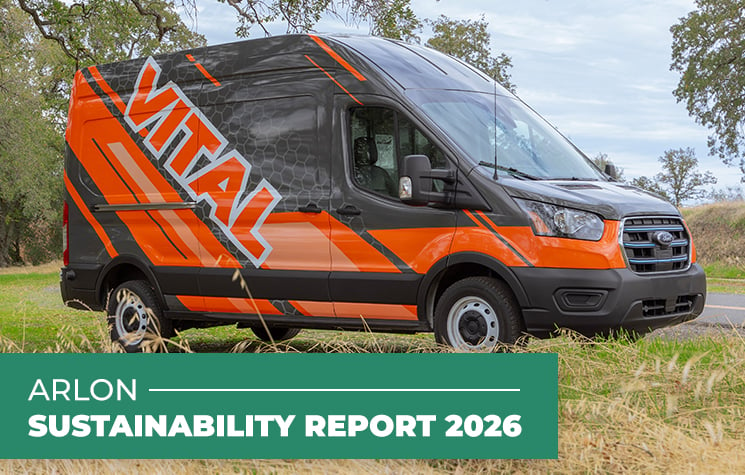
Sustainability Report
PROGRESS WITH PURPOSE
Every step forward matters. Our 2026 Sustainability Report highlights the actions Arlon is taking to strengthen environmental responsibility, support our employees, and drive innovation through our non-PVC product range. From measuring our Organizational Carbon Footprint for the first time to expanding product offerings like VITAL, the report provides a closer look at how we're building for the future while staying focused on performance today.
PCC Case Study
BUILT FOR INSTALLER CONFIDENCE:
Why Sick Wraps Trusts Arlon PCC
Confidence doesn't end when the install is complete. This installer story highlights how Arlon’s heat-activated adhesive technology helps lock wraps into place, delivering the lasting hold and real-world durability professionals rely on.
Read how one wrap stood up to unexpected challenges and proved why confidence in the finished product matters just as much as confidence during installation.